
Latest Post

Figuring out how to apply foundation, pick out the right bronzer shade, conceal blemishes and dark circles, apply eyeshadow—these are some of the first lessons you learn when you get into makeup, and they’re all fairly simple or self-explanatory. But arguably the most important thing to learn that isn’t all that easy? Shaping, grooming, and filling in your eyebrows. We asked the experts everything about shaping and grooming your brows, which products to use, and if a more permanent solution might be right for you. Read on—your eyebrow makeup will never be the same.


Meet the expert
Joey Healy
CELEBRITY EYEBROW SPECIALIST
Joey is the owner of Joey Healy Eyebrow Studio in New York and Joey Healy beauty, a full line of brow products.
Meet the expert
Dani Kimiko Vincent
CELEBRITY MAKEUP ARTIST
Dani is a celebrity makeup artist who works primarily with Sandra Oh and focuses on the importance of eyebrows. She is also the owner of Kimiko Beauty, a full line of brow products.


Why Eyebrows are So Important

“Your brows frame your eyes. They add a lot of geometry to the face and can make you look more rested, youthful, and can bring your entire face into symmetry,” said celebrity brow specialist Joey Healy. Eyebrows might not seem that exciting, but they’re arguably one of the most important features on your face, and they determine how the rest of your features are perceived too, especially when it comes to eye makeup. 

Brows are also a fun, exciting part of the makeup industry. There are always trends and new products that make it a lot more fun. Like with all makeup, brows are a way to express yourself, try a different look, and partake in the art that is the beauty industry.  


How to Choose Your Eyebrow Shape

Finding the right brow shape for your face, especially if you’ve been plucking for years, can be difficult. Makeup artist Dani Kimiko Vincent suggested looking back on your natural shape. “Look at photos of yourself when you were younger, before you began shaping and changing your brows—this is likely the most flattering brow shape for your face.” The best brow for you is the one you’re born with. But that doesn’t mean you can’t play it up with shading and highlighting to accentuate it. Going with your natural shape will never go out of style.

On the other hand, there is always going to be brow trends that come and go. Here’s a quick glossary of each of them and how you can incorporate it into your look without going overboard.


Bushy Brows


These brows are called a variety of names: soap brows, model-off-duty brows, fluffy brows, bushy brows, laminated brows—but the sentiment is the same every time. It’s all about a brushed-up brow that emphasizes every single hair and makes your brows look fuller and thicker. Regardless of your natural shape, you can achieve this by brushing the hairs up toward your hairline when applying brow gel.


Fox Eye Brow


The “fox eye” was created to mimic the lifted appearance worn by celebrities like Bella Hadid and Kendall Jenner. When it went viral, people were shaving off the tail end of their eyebrows to make their brows look straighter. Now the trend has evolved into people shaping and filling in the end of their brows to make their arch appear less pronounced, or it’s finally showing those with naturally straight brows that they don’t have to draw on arches that don’t actually exist to feel beautiful.


Blocked Brows 


If you were on Instagram in 2016, you’ll remember this trend. Also dubbed the “Instagram brow,” this eyebrow look made doing your eyebrows practically an art. It involves a lot of steps beyond filling in and setting, like taking your concealer and “carving out” the brow to make it stand out and look even bolder. While this look has somewhat gone out of trend, many people still love it for full glam makeup, and it’s great for those with naturally very sparse eyebrows because it’s largely able to be drawn on. 


Natural


Contrarily, one of the biggest trends of 2021 and beyond has been natural brows with a little bit of gel and no filling in. People want minimal, basic looks that enhance their features and take minimal time—a major beauty movement thanks to the pandemic and waking up five minutes before our Zoom calls throughout the last year. Achieve this look by keeping your brows bare other than a little bit of gel, tinted or clear, to give a little hold and shape. 


How to Groom Your Brows

“If you feel that you’re in need of a little brow rehab or need to rediscover your best shape again, I highly recommend seeing a trusted brow professional,” Vincent said. Working with a professional esthetician, makeup artist, or brow expert can help you get your shape back to where you want it and learn tips and tricks to emphasize it that you might not discover on your own.

But if you’d rather groom your brows at home, Healy recommended tweezing in natural light and avoiding a magnifying mirror that won’t give you the full picture of your brows and face, leading to overplucking.


Pencil vs. Pomade vs. Powder vs. Gel

When it comes to filling in your eyebrows, where do you start? There are so many products on the market in all different formulas. What’s right for me and my eyebrow goals? Let’s break down each type of product, who should use it, and our favorite products. 


Pencil + Pen

If you want to create natural, hairlike strokes, a pencil or pen is going to be your best bet. These are typically the most natural-looking brow products, especially when the pencil has a fine tip. You can “fill in” the sparse areas of your brows with this, but it would likely give the brows a very blocky appearance that doesn’t always read as natural. “This precise type of product is perfect if you have thinner brows or gaps, as it beautifully marries it all together,” Vincent said, suggesting pencil for both photographs and in person for the most natural look.

Anastasia Beverly Hills

Brow Wiz

Maybe the most famous brow pencil on the market, this one is ultra-thin, comes in a ton of different shades, and truly lasts all day.

NYX

Micro Brow Pencil

This brow pencil is often described as a dupe for the Anastasia Brow Wiz—but it costs only $10.

Milani

Weekend Brow Pen

If you want fine strokes that actually mimic hairs, a brow pen like this should be your go-to. It can be a little difficult getting accustomed to using liquid on your brows, but with a light hand and an easy-to-use product like this one from Milani, your brow life will be changed forever.


Powder

Brow powders were one of the first iterations of a product on the market to help fill in sparse areas of the brows. Typically, brow powders come in duos that allow you to use a lighter shade at the front of your eyebrow and a darker shade for the arch and the tail, mimicking how your brows would naturally look. Powders give a much softer appearance while still adding thickness and dimension to your eyebrows. This would be the product for someone who wants their brows to look a bit thicker without involving too much technique or time, as penciling in hair strokes might have a learning curve.

Healy also recommended pencils for those who have visible holes, gaps, or scars in their brows that they want to conceal because you can easily shape your brows and fill in those little areas in a natural way.

Anastasia Hills

Brow Powder

Containing both a light and dark powder, this product gives the brow lots of depth and dimension that mimic how your eyebrows naturally look.
Lamik Beauty

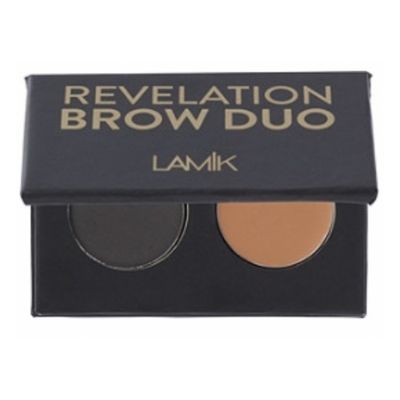
Revelation Brow Duo

This duo includes a powder to fill in the brows and a cream to shape and carve out so you have striking, perfect brows, all from one compact. What sets this apart from the rest is the shade range. If you've struggled to find a brow color for your skin and hair color in the past, this comes in 15 unique shades that other lines aren't doing.


Pomade

“Pomades are great because they maintain movement, but they tend to work best for those with already full and manageable brows,” Vincent said. With a pomade, you can either use a thicker brush to truly fill in the brows, giving that blocked appearance that was popular in the early 2010s, or a very thin, fine brush to create hairlike strokes in the same way you do with pencil or a liquid pen. According to Healy, pomade gives a much bolder appearance, so if you already have naturally strong brows, this is a great way to add some depth and dimension in a way that actually looks natural. Pomades also tend to last longer than pencil, so if you’re worried about longevity, this is the way to go.

Anastasia Beverly Hills

Dipbrow Pomade

This was one of the first pomades on the market, starting a whole industry of creamy, waxy brow products like this. Dipbrow isn't the easiest to use (no pomade is), but it's truly one of the best on the market if you want bold, intense eyebrows.

Refy Beauty

Brow Pomade

Consider this the beginner's brow pomade. Our Beauty Editor was surprised by how easy and simple this was to use, especially for filling in the brows and creating thickness. Plus, the built-in brush makes it ideal for travel or on-the-go use.

e.l.f. Cosmetics

Lock on Liner and Brow Cream

This brow cream is smudge-proof and waterproof, leaving you with filled-in brows you can apply in the morning and not worry about the rest of the day.

Anastasia Beverly Hills

Brush #14

This is the ideal brush for a pomade because it's extremely thin and dense, helping you create those fine, hairlike strokes.


Gel

Brow gel is in a league of its own because it can be used alone or with any other method of filling in your brows. It puts the brows in place and sets them for all-day wear. They come in tinted and clear formulas. If you want a one-and-done option, opt for a tinted gel that will fill in your brows while shaping them. Clear gels make application super easy, and these are great for people who want something really natural or who struggle to find the right undertone or shade for their eyebrows. 

You can use a gel after you’ve filled in to set it in place, or you can use it beforehand. This will allow you to use less product because you only have to fill in the areas that look sparse, as brushing them into place often naturally fills some areas in just with your own hair. 

Anastasia Beverly Hills

Clear Brow Gel

This classic clear eyebrow gel is perfect for beginners who want a bit of hold without a crunchy or bushy effect.

Glossier

Boy Brow

Glossier's most-raved-about product Boy Brow is ideal for the one-and-done brow look, especially with the tinted formula. It adds shape, fullness, dimension, and hold—all in one swipe.

Refy Beauty

Brow Sculpt Shape and Hold Gel

If you want to look like you got your eyebrows laminated all day long, order this brow gel STAT. It's a clear, somewhat thick gel that sets brows in place. It's the closest thing our Beauty Editor has found to soap brows that's still easy and simple to apply when you're getting ready.

NYX

The Brow Glue

For a drugstore alternative, this one from NYX truly serves as a glue for your brows, keeping them in place all day long without adding a ton of texture or volume.


Wax

Brow wax has been around for a while as a way to hold your eyebrows in place all day long, but it has had a revival with the major trend of “soap brows,” in which you use a spoolie with a little bit of water and a hard, clear soap to brush your eyebrows in place and create a bushy, laminated effect. 

Patrick Ta

Major Brow Shaping Wax

This is the best thing on the market to create soap brows without using actual soap. Spray the wax with a little water, rub your spoolie in the product, and brush your brows up and into place. This comes in a tinted and clear formula, so if you have medium to dark brows, the tinted formula will add a little extra fullness and dimension.
Jason Wu Beauty

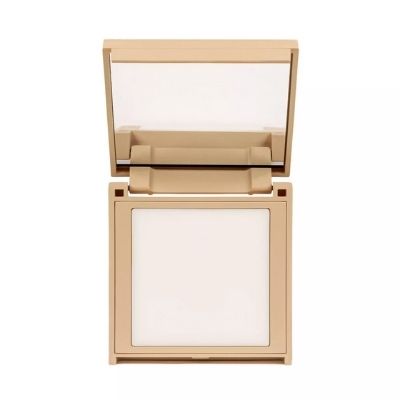
The Bush Tamed Eyebrow Soap

This will put even the most unruly brows in place—for under $20 at Target, it's vegan and cruelty-free.


How to Keep Your Brows in Place All Day

Let’s say you’ve just spent all this time in the mirror working on your brows, only for them to fade and fall in a few hours. What gives? Vincent recommended taking a look at the skincare you’re using before you even put on your first product. “If you start with a lot of heavy creams, lotions, or face oils, your makeup, including your brow makeup, will tend to slide off sooner.” Instead, Vincent suggested skipping over applying your skincare to your brow area and leaving that part of your face clean when you start the makeup application. 

For extra staying power, Vincent uses a translucent powder over the brows once she’s filled them in to “absorb any oils that were on the skin and increase the wear.” She’ll finish with a long-wear hold brow gel to keep them set for the entire day. 

Mented Cosmetics

Skin Silk Loose Setting Powder

This ultra-fine powder won't mattify or cake up your eyebrows. Instead, it'll lightly set them for all-day wear and be practically invisible on the skin.

Healy recommended purchasing high-quality products from the jump. “If you have good products, they will stay in place all day,” Healy said, mentioning that if you’re in New York City on a hot, humid summer day, you’ll want strong-hold products to keep your brows on and locked in.


Meet the expert
Shaughnessy Otsuji
COSMETIC AND RESTORATIVE TATTOO ARTIST
Shaughnessy focuses on microblading and cosmetic tattoos and is the owner of Studio Sashiko, a permanent makeup clinic in British Columbia.

What is Microblading?

If you would prefer a more permanent solution to your brows, microblading might be the next step for you. Microblading is a technique in which an artist uses a handheld tool comprised of many small needles to tattoo hairlike strokes into your brows. “This technique results in the look of very fine, realistic hairs to help create more texture and fullness in the brow,” said Shaughnessy Otsuji, cosmetic and restorative tattoo artist and owner of Studio Sashiko. Otsuji explained that microblading is available to all skin types (however, dry to normal skin will usually look the best, while oily and textured skin types “may result in a softer, more diffused effect”) and is ideal for anyone looking for a fuller brow without having to wake up and apply makeup every single day. Skip out on microblading if you’re pregnant, nursing, or taking any blood-thinning medications, and always consult with your doctor before undergoing any treatments.

If you’re worried microblading might look too artificial, think again. Otsuji has a consultation with all of her clients beforehand to ask about their brow goals (Bushy? Natural? Bold? Arched? Straight?) and draw up their ideal shape using a brow pencil and filling in to address any sparse areas. “Although general measurements will be made to ensure overall balance, I prefer to go about the design process with a freehand technique for the most realistic, natural-looking brow.”


How much does microblading cost? It depends on the artist you see, but Otsuji estimated anywhere from $500-$1,500 based on the artist’s experience, location, and skill level. This isn’t a treatment you should skimp on; it’s a specialized service that can take up to two to three hours to complete, so you should always do your research on the artist you’ll be working with to make sure they’ll give you your desired look, meaning that $75 voucher you see online is probably too good to be true. And because we know you’re wondering, the artist uses a topical anesthetic to numb your eyebrows before the treatment, so pain is pretty minimal. Otsuji said most of her clients actually fall asleep during the service because they’re so relaxed.


How to Properly Groom Your Eyebrows at Home
READ MORE
Everything You Need to Know About Eyeshadow, Eyeliner, Mascara, and More
READ MORE


The post Everything You Need to Know About Eyebrows and Eyebrow Makeup, Once and For All appeared first on The Everygirl.

My entire life, I’ve considered myself lucky when it comes to my skin. A spat of acne in high school quickly got under control with some mild prescription treatments, and the rest of my years were spent only dealing with a zit popping up here or there—that is, until I met my newest foe: adult acne.

At first, I was in a bit of denial. About a year ago, I started getting a few more clogged pores and stubborn zits than I usually did and chalked it all up to stress (as one does). After a few months and a cluster of breakouts on my forehead that simply wouldn’t go away, I finally admitted to myself that for the first time in over a decade, I was dealing with acne.

I had heard it from my older friends countless times: Around age 25, their skin started to change and act up, and as mine started around 24, I realized that this is what so many of them had been talking about. I booked a trip to my longtime dermatologist, but the solution wasn’t as easy as it was when I was 14. I went on four different prescription combinations and finally have found a routine that has been working for me after 18 months of trying different things—but throughout my journey, one thing has been clear: I’m definitely not alone in experiencing acne as an adult.

Meet the expert
Dr. Fatima Fahs
Board Certified Dermatologist and Founder of Dermy Doc Box
Dr. Fahs is a dermatologist and skincare expert based out of Southeast Michigan.
Meet the expert
Dr. Loretta Ciraldo
Board Certified Dermatologist and Founder of Dr. Loretta skincare
Dr. Loretta is a Miami-based dermatologist with over 40 years of experience.


How Hormones Can Be To Blame

“As we hit the prime years for fertility, our hormones are fluctuating in conjunction with our menstrual cycles,” explained Dr. Fatima Fahs, board-certified dermatologist and founder of Dermy Doc Box. 

Because of hormonal changes, Dr. Loretta Ciraldo, board-certified dermatologist and founder of Dr. Loretta Skincare, explained that it’s more common for women to experience adult acne than men.

“In my four decades of dermatology practice, I’ve found that adult acne into the 20s and 30s is much more common in women than in men,” Dr. Ciraldo said. “Breakouts on the chest, shoulders, and back, called folliculitis, are more common in adult men than women.”


If you’re dealing with acne as an adult, you’re not alone—and it isn’t your fault. 


Dr. Fahs emphasized the importance of keeping track of your acne flare-ups and what may be causing them.

“You’ll want to take note of what makes your acne flare. Many women find that their acne is worse the week before their period,” Dr. Fahs said. “If you are experiencing irregular or no periods or even excessive hair growth on the face and chest, you might also want to make an appointment with a gynecologist to be evaluated for an underlying condition that could be contributing to your acne, like PCOS (polycystic ovarian syndrome).”


Source: Pexels


Identifying Other Triggers

While hormones can be the culprit of adult acne in women, both Dr. Fahs and Dr. Ciraldo noted that many other factors can be causing your skin to act out.

Dr. Ciraldo explained that diet can play a role, but it’s generally variable and can affect some greatly and others not at all. Some other triggers she recommended keeping an eye out for are:

  • Haircare products (especially if you have chin acne or if you see the breakouts under your chin or on your neck)
  • Stress 
  • Diet triggers, including milk (even skim), sodas, sugary food
  • Hormonal fluxes: If you don’t have a normal menstrual cycle, you should have tests done to rule out PCOS, which can cause adult acne
  • A new medicine or supplement like biotin, which recently got buzz for causing acne, or a change in your contraception 
  • Makeup or skincare 

While all of the above can lead to acne flare-ups, Dr. Ciraldo emphasized how common it is for her to see patients whose acne is being caused by hair care products.

“Almost every day that I see patients, I have a new patient coming in whose adult acne we trace back to a haircare product. I suggest they switch to a 3 percent salicylic shampoo and cut their conditioner half and half with Infusium 23 Leave-In Treatment.”

Neutrogena

Salicylic Acid Shampoo

This shampoo contains salicylic acid, an ingredient known to combat acne, rather than oils that can clog pores.


Source: @devsday


Prevention and Treatment

When you begin experiencing adult acne, both Dr. Fahs and Dr. Ciraldo emphasized the importance of making an appointment with a dermatologist. From there, start taking notice of your triggers, patterns of flares, and treatments you’ve attempted so you can give your dermatologist as detailed information as possible.

“Even before you see the dermatologist, you should consider what you may have changed that could be the cause of your acne,” Dr. Ciraldo said. “It may be stress from a new job or a relationship, haircare or makeup products, or a change in your diet. If you’re aware of any of these changes, you can try to tweak these and see if your acne improves as you await your dermatologist visit.”

We’ve all heard it a million times, but no matter how much we want to, Dr. Fahs emphasized how important it is to not pick at or pop any pesky zits that might appear, as it increases the risk of scarring and inflammatory hyperpigmentation. 

If you’re tempted to pick your acne, Dr. Ciraldo recommended putting a pimple patch on it to help prevent touching it and irritating it further or turning to spot treatments containing benzoyl peroxide, salicylic acid, and sulfur. 

Both Dr. Fahs and Dr. Ciraldo highlighted the same point: If you’re dealing with acne as an adult, you’re not alone—and it isn’t your fault. 

“Do not ever feel hopeless about acne,” Dr. Ciraldo said. “Acne is a skin disorder. Like most health disorders, acne may be cured. And, especially in the case of adult acne, it often needs long-term treatment to remain acne-free.”

Hero Cosmetics

Mighty Patch

These cult-favorite zit patches are both affordable and effective.


Over-the-Counter Treatments

If you’re unable to get to a dermatologist, there are several dermatologist-approved over-the-counter treatments you can turn to. Salicylic acid and benzoyl peroxide are both readily available, and Differin gel has been known as one of the most tried-and-true over-the-counter options.

No matter which route you choose, consistency is key when it comes to managing acne as well as making sure you aren’t overdoing it with products. You shouldn’t expect results right away, and often, things slightly worsen before they get better. Find what your skin responds well to, cut out the things it doesn’t, and then stick to a routine.

Differin

Acne Treatment Gel

Differin is the only FDA-approved full prescription strength retinoid, giving it prescription-strength effectiveness without the trip to the doctor.

The INKEY List

Succinic Acid Acne Treatment

This non-drying, gentle, and targeted acne treatment clears acne spots fast while layering under makeup without flaking.

Summer Fridays

AHA Exfoliating Solution

This three-in-one solution packed with AHAs and niacinimide helps remove dead skin cells, which can lead to clogged pores.


The 10 Best Drugstore Products to Use If You Have Acne
READ MORE

The post Getting Acne in Your 20s and 30s? You’re Not Alone—Here’s What Experts Had To Say appeared first on The Everygirl.

Fall is unanimously everyone’s favorite season. We finally get a reprieve from the sweltering summer and a reintroduction to all things cozy, spooky, and pumpkin spice. While you’re rotating all your sweaters and moto jackets to the front of your closet and digging your fall-scented candles out of storage, it’s also time to consider prepping something else for the shifting season: your beauty routine.

The beauty woes we experience thanks to fall’s dry air can be mitigated with a few simple steps and new additions to your existing routine. Here are the five easiest ways to transition your beauty routine this fall:


1. Incorporate More Moisture

We all know that dry air means trouble for our skin, but we often forget that central heating indoors also causes a lot of drama as well. In other words, fall might be our favorite season, but our skin isn’t nearly as excited about the fact that, for lack of better words, winter is coming. In the months leading up to the real cold, it’s important to focus on the problems you will have then, now.

For every month following August and leading into the depths of winter, you need to incorporate an additional moisturizing agent into your skincare routine. This might sound overwhelming, but hear me out. Moisture is absorbed into the skin through a variety of different molecular structures, meaning that different formulations will penetrate the various layers of your skin differently to deliver their moisturizing benefits.

Maelove

Hydrator B5 Gel

Use a hyaluronic acid serum like this in your morning and night routines to add layers of moisture without adding bulk. This will never break you out or clog your pores—it'll just make your skin glowy and smooth!

Laneige

Water Sleeping Mask

Invest in a cream moisturizer or sleeping mask to lock in essential moisture overnight while your skin undergoes its critical regenerative processes.

Peach Slices

Hydrate Sheet Mask

Stock up on moisturizing sheet masks to use two to three times a week. Drugstores in the U.S. are finally catching onto the trend, making sheet masks readily available and very affordable, like this one from CVS that our editors love.

Three Ships Beauty

Buttercream Hydrating Lip Mask

Don't forget about your lips! Lips are notoriously dry and chapped this season, and a lip mask will keep them plump and moisturized all day without feeling sticky or goopy.


2. Focus on Exfoliation

Dry air leads to dry skin, which leads to flaking, discomfort, and uneven makeup application. If you wait until it’s too late to work on the excess of dead skin that develops in colder months, you’ll be playing a never-ending game of catch-up for the rest of the season. Opt for a mix of chemical and physical exfoliations to bring dead skin to the surface and slough it off. 

The Ordinary

Glycolic Acid 7% Toning Solution

If you have dry skin already, opting for a gentle glycolic acid solution will help disrupt the bindings in dead skin cells while avoiding irritation from more intense alpha hydroxy acid exfoliators.

Dr. Dennis Gross Skincare

Alpha Beta® Extra Strength Daily Peel

Glycolic acid is beneficial for normal, combo, and oily skin types as well, but if you want something a little stronger, a weekly at-home peel with AHAs and BHAs will help combat dry skin as well as the breakouts that can occur due to the sudden imbalance of dead skin cells and oil production.

Versed

Day Maker Microcrystal Exfoliator

A physical exfoliator that can slough away dead skin doesn't have to be harsh and irritating (*cough cough* St. Ives). This exfoliator has superfine, biodegradable crystals that are safe for sensitive and acne-prone skin and will leave you soft and glowy.


3. Be Mindful of Water Temperature

It’s hard enough to leave the toasty heaven that is your bed to face the bitter cold of the outside world during fall and winter, and it’s even harder to do it without a long hot shower as a rewarding incentive. Hot water is unfortunately really stressful on your skin, especially your face. Overly hot water increases circulation to your face, which disrupts your natural oil balance, causing dehydration and your oil production to kick into overdrive, which can lead to breakouts. If you want to keep up the natural moisture of your skin a little longer, turn down the temp a little bit. 

Youth to the People

Superfood Antioxidant Cleanser

Taking a super hot shower for short time intervals is admissible every few days for your body skin, but be sure to cleanse your face at the sink before stepping into your steam room and avoid the hot water on your face as much as possible.

Klur

Elements of Comfort Body Oil

Replenish the natural oils you strip from your skin in the shower with a lightweight body oil to avoid dry patches on the skin below the neck.


4. Supplement Your Lack of Sunshine

Unlike every other vitamin that our bodies benefit from, vitamin D does not exist in the food we eat. Your body synthesizes vitamin D through sun exposure, which becomes increasingly difficult during fall and leading into winter.

Vitamin D benefits a plethora of bodily functions—everything from mood stabilization to the health and vibrancy of your skin. Vitamin D supports your skin’s ability to deflect free radicals thanks to the antioxidants present in its chemical structure and is also a powerful anti-inflammatory.

Hum Nutrition

Vitamin D

Supplementing with vitamin D can help combat dryness-induced breakouts, keep your hair growing healthily, and even stave off the symptoms of Seasonal Affective Disorder.


5. Keep Your Hair Moisturized

The damage that a season of dry air does to your hair will, unfortunately, linger long after the first blooms of spring come out of hiding. Brittle strands and busted ends can be easily avoided with a few inexpensive fixes. Make sure you’re clarifying your scalp once a week and deep conditioning as often as your hair needs it. 

PATTERN

Leave-In Conditioner

Layer on a leave-in treatment for extra protection before drying and reserve your stickier and stiffer styling products for after you’ve heat styled instead of applying them before. A cool water rinse, despite how terrible it might sound when it’s cold out, is especially important to seal your hair follicles and keep moisture locked in.

Kristin Ess

Instant Exfoliating Scalp Scrub

A scalp scrub will get rid of all the dirt, oil, product buildup, and flakes from your scalp, leaving you with volumized, healthy strands.

Olaplex

No. 8 Bond Intense Moisture Mask

An intense moisturizing mask you can use once a week that won't weigh your hair down and works on every hair type? We found it.


Fall 2021 Hair Trends: 30 Colors, Cuts, and Styles to Try This Year
READ MORE
Did Your Skin Just Become So Dry, or Are You Normal?
READ MORE


The post How to Transition Your Beauty Routine for Fall appeared first on The Everygirl.

In the world of 10-step routines and medicine cabinets stocked with dozens of skincare products filling our Instagram feeds, our nightly regimes have never been more in depth. AHAs, BHAs, vitamin C, retinol, acids, oils—by the time we go to bed every night, we’re layers deep in our never-ending quest for great skin.

But unfortunately, mindlessly slathering on products won’t always give us the results we’re looking for—some combinations of popular skincare ingredients can do more harm than good by potentially causing breakouts, dryness, and other irritations.

Before you add a new product to your routine, make sure it won’t have a negative reaction with another one of the products you use. And before you play scientist and mix powerful ingredients, be aware of these product combinations to avoid and know how you should use them instead:


Meet the expert
Dr. Rachel Maiman, MD
BOARD-CERTIFIED DERMATOLOGIST
Dr. Maiman focuses on cosmetic and general dermatology.


Vitamin C + Retinol

The ingredients in each of these have different purposes (vitamin C’s pH level is lower), which can work against each other and cause irritations. Dr. Rachel Maiman, a board-certified dermatologist, explained that because vitamin C is an antioxidant, it’s best used in the mornings, while retinol, being photosensitive, is best used at night. That way, retinol can work overtime while you sleep, and vitamin C can give you antioxidant protection when you wake up.

Hyper Skin

Brightening Clearing Vitamin C Serum

This vitamin C serum actually targets hyperpigmentation and is perfect for anyone who wants an overall brighter, clearer appearance to their skin or has acne scars or melasma.

Shani Darden Skincare

Retinol Reform

This serum expertly combines other ingredients with retinol for the perfect concoction that doesn't leave your skin irritated or dry—just smooth, supple, and hydrated.


Vitamin C + AHAs/BHAs

Although vitamin C is labeled as a vitamin, it still is technically an acid (L-ascorbic), and combining two acidic ingredients can lead to irritations like peeling and dryness. It can also cause vitamin C’s low pH to be altered, leading to redness and inflammation.

A good rule of thumb is to use acids like AHAs/BHAs at night since they can make your skin more susceptible to sunburn if used in the morning. Again, using vitamin C in the morning can give added benefits to the skin.

Biossance

Squalane + Vitamin C Rose Oil

Our editor said this is the one skincare splurge she'll repurchase over and over, thanks to its ability to brighten, moisturize, and clear her skin.

Naturium

Glycolic Acid Resurfacing Gel 10%

This leave-on AHA treatment improves your skin's texture, reducing the appearance of fine lines, pores, uneven skin tone, and more (and the price doesn't hurt too).


Retinol + AHAs

Adding retinol after acidic skincare can increase dryness and lead to extra irritation. If retinol is a part of your everyday routine, skip out on it on days you use AHAs. But this doesn’t mean you can’t have both in your routine. Dr. Maiman recommended applying your AHA in the morning and retinol at night, but you should always proceed with caution and take it slow. “I always advise starting with only one, and once you are stable after a few weeks, consider adding the other.” Start by using your retinol once a week, and slowly increase your frequency. Then, add the AHA slowly as well. This also depends on what type of AHA you’re using, according to Dr. Maiman. Using a cleanser with a bit of glycolic acid vs. a 20 percent AHA/BHA treatment is very different; a cleanser is much more easily tolerated, while a high-potency AHA should only be used once or twice a week.

CeraVe

Resurfacing Retinol Serum

This drugstore retinol proves that achieving good skin doesn't have to be expensive.

Good Molecules

Overnight Exfoliating Treatment

For fans of an intense peel without all the irritation (and the price tag), this treatment combines glycolic and lactic acid, salicylic acid, and hydrating ingredients like glycerin and hyaluronic acid for the perfect mix of exfoliating without overdrying.


Benzoyl Peroxide/ Salicylic Acid  + Retinol

Benzoyl peroxide and salicylic acid are the biggest acne-fighting ingredient on the over-the-counter market, usually found in cleansers and spot treatments. Using benzoyl peroxide with retinol can lead to them deactivating each other’s potency. On the other hand, salicylic acid and retinol can cause dryness and flaking. Instead, use these acne products in the morning or on opposite nights that you use retinol.

Paula's Choice

Skin Perfecting 2% BHA Liquid Exfoliant

This salicylic acid toner has the hearts of many, including our editors, due to its ability to go deeper than scrubs and finally clear out your pores once and for all.

Panoxyl

10% Benzoyl Peroxide Acne Foaming Wash

It's the benzoyl peroxide cleanser superstar Madison Beer swears by for keeping her skin clear—and it's only $10.


Do use: AHAs/BHAs/Retinol + Sunscreens

While all of us should be using an SPF of 30 or higher every day, acids and acne products can make skin even more sensitive to the sun. Make sure that you use sunscreen after your moisturizer instead of before to avoid diluting the SPF. 

Black Girl Sunscreen

Moisturizing Sunscreen Lotion SPF 30

This moisturizing sunscreen will never cause a white cast, even on the deepest of skin tones.

Supergoop!

Unseen Sunscreen

This is an Everygirl team favorite sunscreen that actually gets us excited to apply sunscreen every single day.


The Correct Order to Apply Your Skincare Products
READ MORE

The post The Skincare Ingredients You Should Never Combine appeared first on The Everygirl.

Author Name

Contact Form

Name

Email *

Message *